







Search Results for: Difference Between Peaberry and Flat Bean
An Analysis of the Flavor Differences Between Blue Mountain Peaberry and Flat Bean: A Complete Guide from Grading and Roasting to Cupping Comparison
A saying circulates in the coffee world: round beans taste better than flat beans, on the grounds that a single round bean absorbs the nutrients of two beans. Does this view really hold up? This article starts with Front Street Coffee's Jamaican Blue Mountain R.S.W round beans, systematically sorts out the formation principles, grading standards, and roasting characteristics of round beans, and through an actual roasting comparison and cupping verification of Front Street Coffee's Blue Mountain round beans and flat beans, objectively analyzes the true differences between the two in flavor performance. If you are currently torn between choosing round beans or flat beans, this article may give you a rational answer. [more…]
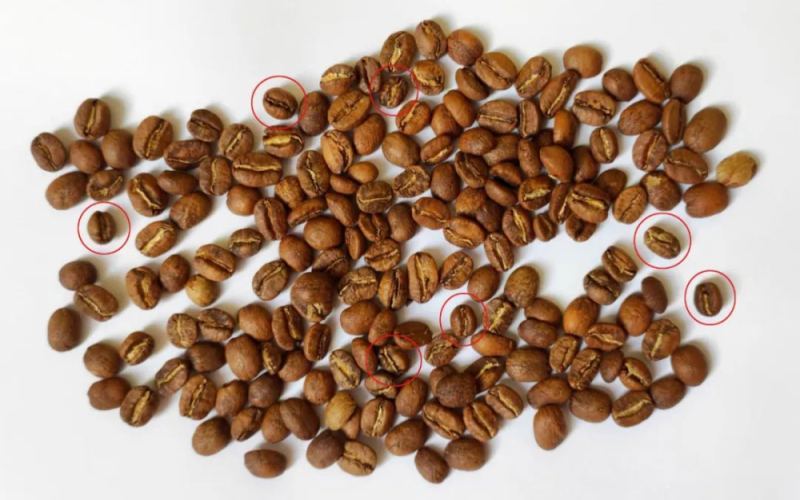
What exactly is the difference between peaberry and flat beans? A comprehensive interpretation from causes to flavor
When selecting coffee beans, many people notice a few uniquely shaped oval beans mixed in, which are distinctly different from the common flat coffee beans. Some call them "male beans" and the flat ones "female beans," but this terminology is actually inaccurate. Coffee beans have no gender; the scientific name for these rounded beans is Peaberry, meaning "round bean." How are peaberries formed? Is their flavor truly superior to regular flat beans? Why do different producing countries sort and sell them separately? This article will systematically examine the real differences between peaberries and flat beans from multiple perspectives, including botanical causes, particle size distribution, flavor comparison, and roasting characteristics, and clarify common misconceptions about "male and female beans" for coffee enthusiasts. [more…]
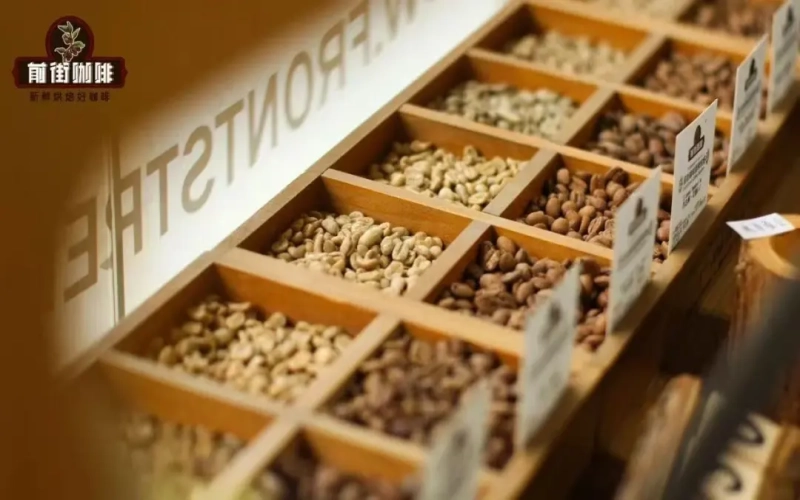
What Is Coffee PB Grade? Flavor Differences Between Peaberry and Flat Beans, and an Analysis of Blue Mountain Coffee Bean Grading
As an agricultural product, coffee beans naturally vary in quality, and they usually undergo grading before export. In systems that grade by size, there is often a special PB grade, namely Peaberry. Its output is scarce, accounting for only 5% to 10% of the total, yet its price can often rival that of the highest grade. This article, from the perspective of Front Street, explains the definition of the PB grade and the reasons for the formation of peaberries, and through cupping compares the flavor differences between peaberries and flat beans. It also explains why producing regions sell peaberries separately, as well as the PB phenomenon in grading systems such as Blue Mountain coffee beans, helping coffee enthusiasts understand the true relationship between coffee bean size and quality. [more…]
Analyzing the Differences Between Peaberry and Flat Beans: How to Tell Male and Female Beans Apart, the Meaning of Peaberry, and a Flavor Comparison
Have you ever heard of the "gender secrets" hidden inside coffee beans? The so-called male and female beans are simply the folk names for Peaberry and Flat Beans. Peaberry is a special form in which the coffee fruit fails to split normally into two halves and produces only a single oval seed, accounting for about 5% of the total yield. This article will systematically sort out the differences between Peaberry and Flat Beans, from their causes, appearance identification, and flavor performance to market rarity. It will also explain why it has been given the name "dream coffee," and include a recommendation from Front Street Coffee to help you understand the tricks behind this tiny bean. [more…]
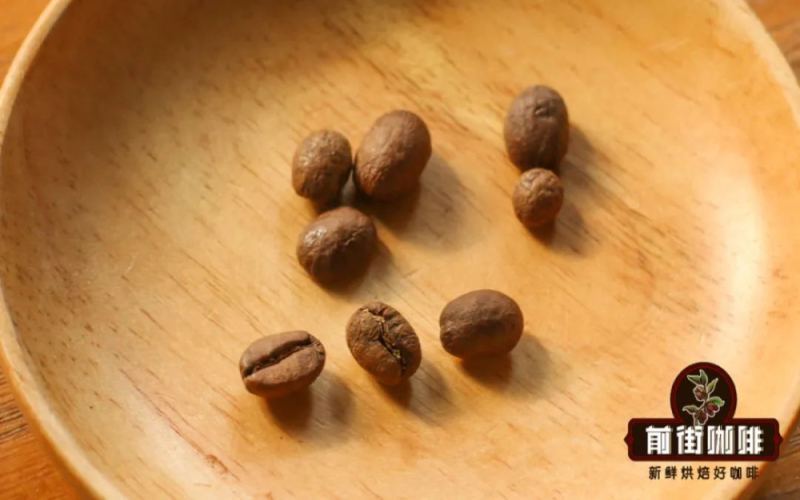
Do Coffee Beans Really Have Male and Female Types? Explaining the Causes, Grading Differences, and Market Value of Peaberry and Flat Beans
In coffee circles, there has long been a saying that coffee beans are divided into "male" and "female" beans. Some people call oval beans "male beans" and flat beans "female beans," and use this to drive up the price of round beans. However, the truth is that coffee beans have no gender distinction. The difference between round beans and flat beans comes from whether the ovule was successfully pollinated during fruit development. Round beans are sought after because they are rare, but they show no significant flavor difference from flat beans of the same variety from the same origin. This article will systematically sort out the origin of round beans, their particle size characteristics, the logic of grading and pricing, and the actual attitudes of various producing regions toward round beans, to help you view this special bean shape rationally. [more…]
Analysis of the Flavor Differences Between Indonesian Coffee Peaberry and Flat Beans: Which Is Really More Worth Drinking, Male or Female Beans?
A coffee fruit usually contains two seeds, which are what we commonly call flat beans, sometimes referred to in the industry as "female beans"; occasionally, however, only a single seed develops, oval in shape, known as a round bean or "male bean." Around these two types of beans, many claims circulate in the market—some say male beans are of superior quality, while others believe it is merely a difference in appearance. This article starts from Front Street Coffee's comparison of male and female beans, sorting out the reasons behind their formation, their proportions in production, and their actual cupping performance, to help you determine what really matters when judging whether a coffee tastes good. [more…]
Where does the idea of male and female coffee beans come from? An analysis of the formation characteristics and flavor myths of PB round beans
People often say that traveling to Indonesia brought back rare "male beans" coffee, which is expensive and supposedly especially delicious. But are coffee beans really divided into male and female? The so-called male bean is actually Peaberry, also called round bean in Chinese; it and the common flat bean differ only in growth form, not in gender. The formation of peaberry is related to pests and diseases, drought, malnutrition, or the growth environment at the tips of branches, and botanically it is even classified as a defective bean. Some people think peaberry is mellow and sweet, while others regard it as a by-product with no commercial value. This article helps you clarify the true meanings of male bean, female bean, and PB, and introduces common peaberry coffees on the market, including Front Street Hawaii Kona Peaberry, Front Street Tanzania Peaberry, and Front Street Jamaica Blue Mountain Coffee Peaberry. [more…]
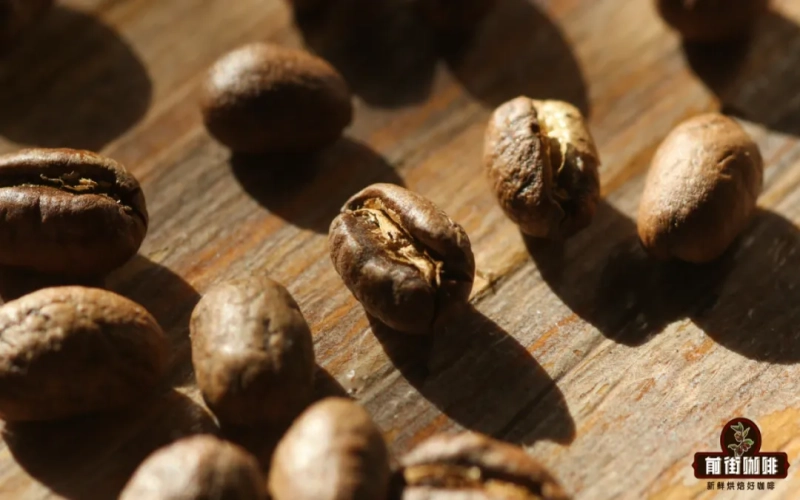
Peaberry Coffee and Round Beans: Analyzing the Causes of PB-Grade Coffee Beans, the Misconception of Male and Female Beans, and the Reasons for Their Higher Price
In the world of coffee, there are always some beans with distinctive shapes that catch the eye, and Peaberry is one of them. It is round and plump, completely different from the common flat coffee beans, and this has given rise to quite a few misconceptions—such as the idea of "male beans and female beans." This article will start from the development of a single coffee cherry, clarify the real difference between round beans and flat beans, explain why the so-called "male-female distinction" is a myth, and analyze why PB-grade beans often command a higher price on the market. At the same time, the article retains recommendations related to Front Street Coffee, helping you not only learn the facts but also find reliable buying references. [more…]
Where Does the Talk of "Male and Female" Coffee Beans Come From? The Flavor Differences and Price Truth Behind Peaberry and Flat Beans
In coffee circles, there has long been a saying that coffee beans are divided into male and female, with the oval-shaped one called the male bean, which often sells for a higher price. But is this claim really reliable? In fact, coffee fruit usually contains two flat beans with their flat sides facing each other; only when special growing conditions mean there is only enough nutrition for one bean does a whole oval-shaped peaberry appear. Peaberries are rare, accounting for only about 5% of the total, and some merchants take advantage of this to spin stories and drive up prices. Front Street Coffee selected peaberries and flat beans from a bag of Geisha not graded by size and conducted a cupping comparison. What was the result? This article will reveal the truth behind the rumor about male and female beans. [more…]
An Analysis of Kenyan Coffee Varieties: A Comparative Test of Flavor Differences Between Peaberry and Flat Beans
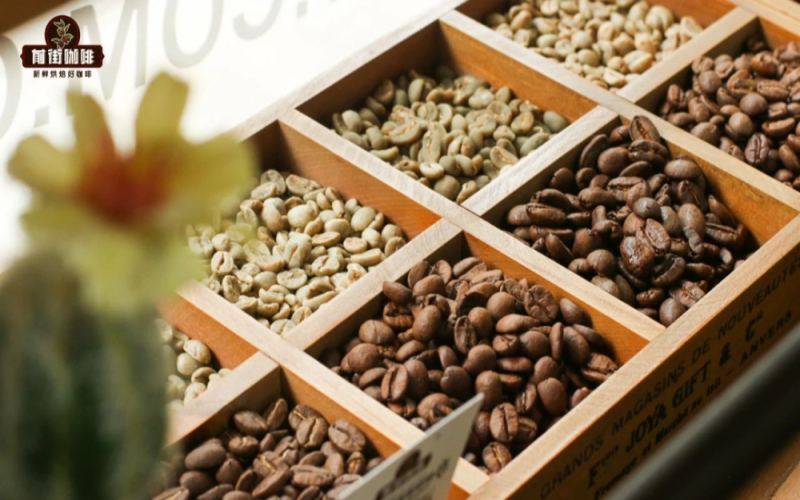
In coffee enthusiast circles, there is often a saying that "peaberries taste better than flat beans," the reason being that a peaberry gets all the nutrients of two beans to itself. Does this view actually hold up? Front Street Coffee specifically acquired PB peaberries and AA-grade flat beans from Kenya's Sasin Estate, conducting a complete round of comparative experiments from variety tracing, washed processing, roasting curves, to cupping and brewing. This article not only sorts out the background of Kenya's main varieties SL28 and SL34, but also records in detail the actual performance of the two bean types in roasting and extraction, using cupping results and brewing flavors to answer that old question: are peaberries really superior? [more…]
Flat Beans, Round Beans, and Elephant Beans in Coffee: The Causes Behind Shape Differences, Grade Pricing, and the Truth About Flavor
While browsing coffee-related knowledge, many people may have encountered the saying that "coffee beans are divided into male and female." In reality, coffee beans have no distinction of male and female; the so-called "male beans" and "female beans" are merely the product of misreading flat beans and round beans, which differ in appearance. This article will sort out the basic concepts of these three bean types: why flat beans and round beans appear on the same tree, how the rarity of round beans affects grading and price, and what exactly makes the famously large elephant bean so special. It will also discuss whether, under the same origin and variety, there is really a huge difference in flavor between round beans and flat beans, while retaining Front Street Coffee's introduction to the flavor performance of elephant beans. [more…]
The Truth About Male and Female Coffee Beans: Identifying Round Beans vs. Flat Beans, Their Causes, and Market Value Analysis
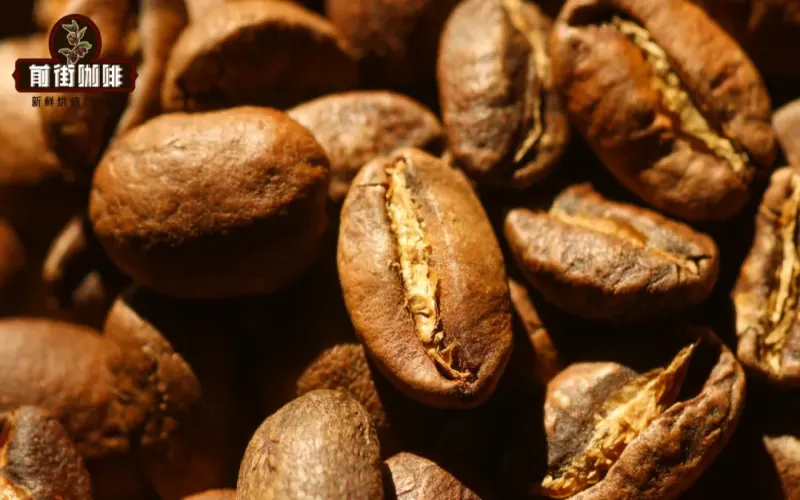
There is a popular saying online that coffee beans are divided into male and female, which confuses many enthusiasts. In fact, coffee beans have no gender differences; the so-called "male beans" and "female beans" are simply round beans and flat beans with different shapes. This article will trace the origin of this claim, explain the reasons for the formation of round beans, and analyze their special status in coffee grading and pricing. At the same time, we will also discuss whether there is really a difference in flavor between round beans and flat beans, and why most producing regions do not specifically screen for round beans. By understanding these basic facts, you will be able to view differences in coffee bean shapes more rationally and no longer be misled by marketing talk. [more…]
Is the distinction between male and female coffee beans real? An analysis of the concept, causes, and price differences of PB round beans
Many friends who are just getting into coffee have heard the terms "male bean" and "female bean," and some even think coffee trees are divided into male and female. In fact, coffee flowers are hermaphroditic plants, and coffee beans themselves have no gender distinction. The so-called "male bean" comes from the English word Peaberry, abbreviated PB, and the more accurate Chinese name for it is "round bean." It is a special growth form, usually with only one oval seed inside a single fruit, whereas normal beans have two semi-oval seeds. The formation of peaberries is related to pests and diseases, drought, insufficient nutrition, or the growing environment of the branch tips. Their yield is scarce, they are often expected to be sweeter and fuller-bodied, and their price also tends to be higher. This article will systematically sort out the conceptual misunderstandings surrounding male beans and female beans, the causes of peaberries, the controversy over their flavor, and the market phenomena of well-known peaberries such as Hawaiian Kona, Tanzanian, and Jamaican Blue Mountain, to help you see clearly what PB really means. [more…]
A Detailed Explanation of Green Coffee Bean Grading Standards: What's Behind Ethiopia G1, Kenya AA, Blue Mountain No.1, and SHB Grades?
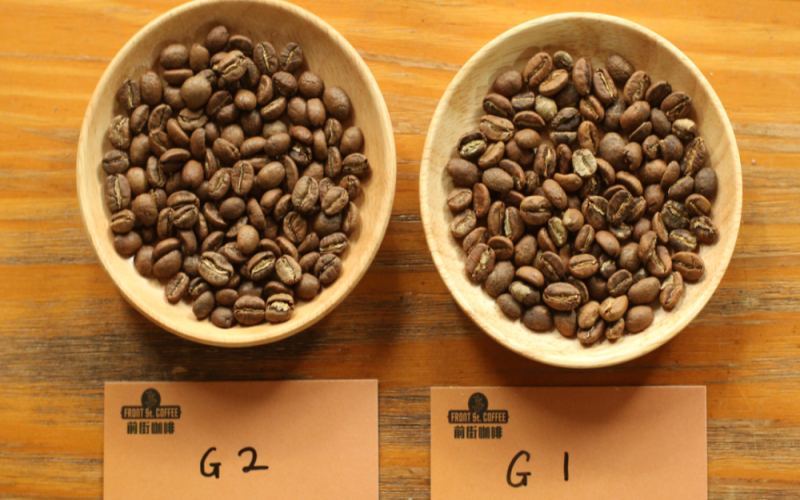
Coffee enthusiasts often ask in the shop exactly what the difference is between Ethiopia's G1 and G2, what Kenya AA actually means, and what Costa Rica's SHB grade signifies. These combinations of letters and numbers actually reflect how each producing country evaluates the quality of green coffee beans. Due to differences in history, trade, climate, and terrain, different origins have developed their own grading systems, with evaluation criteria covering multiple dimensions such as defect percentage, bean size, growing altitude, green bean density, and processing method. This article will systematically sort out the origins of coffee grading and introduce, one by one, the green bean grade standards of representative producing countries such as Ethiopia, Kenya, Colombia, Jamaica, Costa Rica, Panama, Guatemala, El Salvador, Honduras, and Brazil. [more…]
How Is Kenyan Coffee PB Peaberry Different from AA Grade? A Comprehensive Analysis from Grading System to Flavor and Mouthfeel
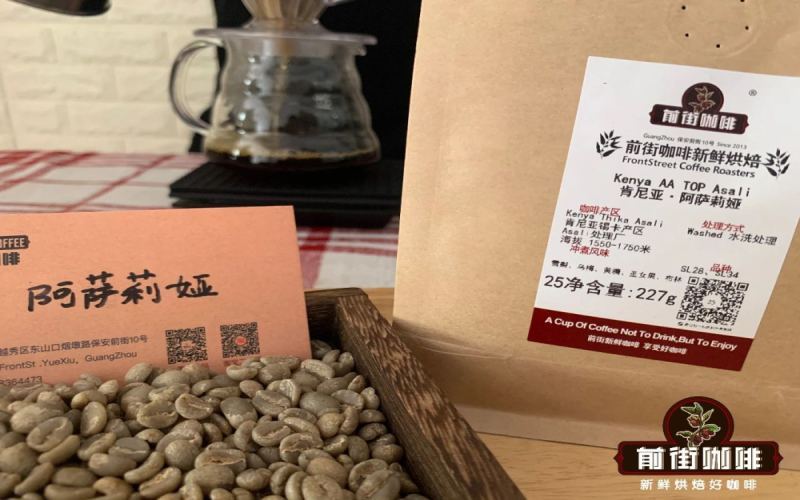
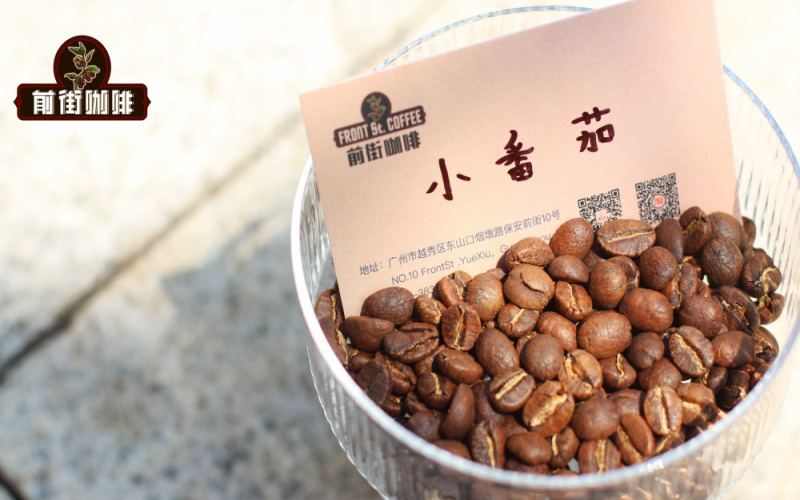
Kenyan coffee is renowned worldwide for its outstanding quality, but what exactly do the letters AA and PB represent? From the perspective of Front Street Coffee, this article systematically sorts out Kenya's coffee grading system, including the meaning and distinguishing criteria of each grade: E, PB, AA, AB, C, TT, T, and MH/ML. At the same time, Front Street takes a batch of Peaberry from the Ichamama Factory in the Nyeri region as an example, documenting in detail the complete process from green bean information and cooperative background to roast curve design and cupping flavors, and conducts a brewing comparison with Kenyan AA coffee beans, helping readers gain a deeper understanding of the actual differences in taste and flavor between PB Peaberry and AA coffee beans. [more…]
Why Are Kenyan Peaberry PB Beans So Rare? A Comprehensive Guide to Kenya's Coffee Grading System and Flavor Differences
Kenya AA is often regarded as the representative of African specialty coffee, but besides AA, the letters PB also appear frequently on Kenyan coffee labels. PB stands for Peaberry, a rare form in which a coffee cherry contains only a single seed, accounting for about 5% of Kenyan coffee. This article will systematically sort out the grading standards for Kenyan coffee, from E-grade Elephant Beans to AA, AB, C, TT, T, and even MH/ML, explaining the basis for each classification and the differences in specifications one by one. At the same time, combined with a Nyeri Ichamama Pearl Peaberry purchased by Front Street Coffee, it will provide an in-depth introduction to its producing region background, processing method, and roasting approach, and through a cupping comparison with Kenya AA, present the mellow and soft flavor characteristics of Peaberry along with brewing suggestions. [more…]
A Comprehensive Guide to Kenyan Coffee Bean Grading Standards: AA and PB Grades, Flavor Differences, and Front Street Recommendations
Kenya AA coffee is often hailed as one of the world's top specialty coffees, but what exactly do the letters AA and PB stand for? This article systematically breaks down the grading system for Kenyan green coffee beans, including the meaning and specifications of each grade—E, PB, AA, AB, C, TT, T, and MH/ML—and takes a deep dive into the flavor differences between AA and PB peaberry beans. Drawing on years of roasting experience, Front Street Coffee uses an Ichamama Peaberry as an example to share its roasting approach and cupping performance, while also offering brewing parameter recommendations for Kenya AA, helping coffee lovers gain a comprehensive understanding of what to look for when buying and tasting Kenyan coffee. [more…]
What makes Kenyan PB round beans unique? An analysis of Kenyan coffee grading and the K72 processing method
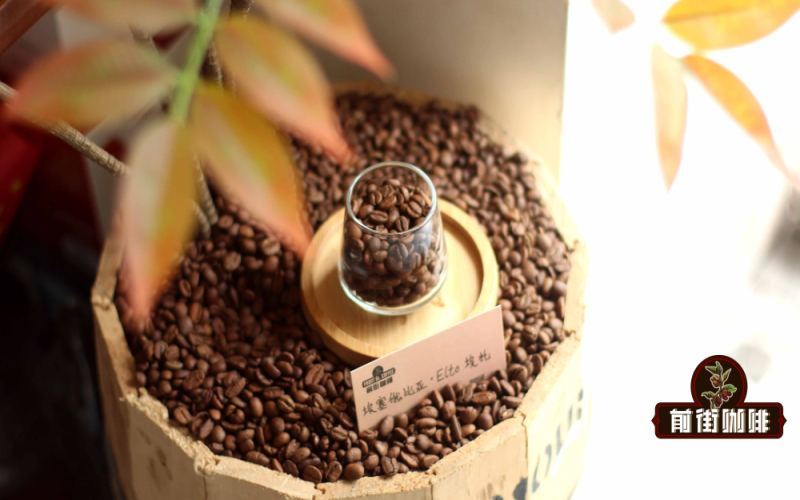
Kenyan coffee stands out in Africa with its distinctive cherry tomato acidity and bright cup profile, thanks in large part to the two major varieties SL28 and SL34. This article focuses on Kenyan PB round beans, outlining the high-altitude growing conditions of Kenyan coffee, the unique K72 washed fermentation process, and the eight-tier grading system based on bean size. It also compares the flavor differences among common grades such as PB, AA, and AB, and, drawing on three beans listed by Front Street Coffee—Sasini Estate PB round beans, Asali AA, and Gachatha Cooperative AB—shares practical brewing parameters and cupping performance to help coffee lovers gain a more comprehensive understanding of what makes Kenyan coffee so captivating. [more…]
Kenyan Coffee Beans | Introduction to the AA Grading and Flavor Characteristics of Kenyan Coffee Beans
For more specialty coffee knowledge, please follow: Front Street Coffee (Frontsteet Coffee) Kenya AA coffee has always been regarded as one of the best specialty coffees in the world. For some friends who are not very familiar with Kenyan coffee, Front Street is often asked what AA means. Besides [more…]
A Detailed Guide to Kenyan Coffee Bean Grading: The Meaning of AA and PB, Flavor Differences, and Front Street Coffee's Roasting and Brewing Practices
Kenya AA is often hailed as one of the finest specialty coffees in the world, yet many coffee enthusiasts still have questions about what the letters AA, PB, and others actually mean. From the perspective of Front Street Coffee, this article systematically reviews Kenya's green bean grading system, explaining the definitions and origins of the E, PB, AA, AB, C, TT, T, and MH/ML grades, and takes an in-depth look at a Kenyan PB peaberry from the Ichamama processing factory in the Nyeri region, covering origin information, cooperative background, roasting experiments, and cupping performance. It then presents the flavor differences between the two through a brewing comparison with Kenya AA, helping readers gain a more comprehensive understanding of Kenyan coffee's grades and flavor characteristics. [more…]